How Metal Roof Coating Increases Energy Efficiency and Cuts Maintenance Costs
Metal roofing coatings offer a sensible solution for enhancing energy efficiency and minimizing maintenance costs. By utilizing reflective surface technology, these coatings effectively reduce heat absorption, contributing to lower cooling expenses. Furthermore, they shield the roof from wear and tear, increasing its lifespan. As property owners search for strategies to optimize their investments, comprehending the specific benefits of these coatings becomes increasingly relevant. What gains might they uncover in the long term?
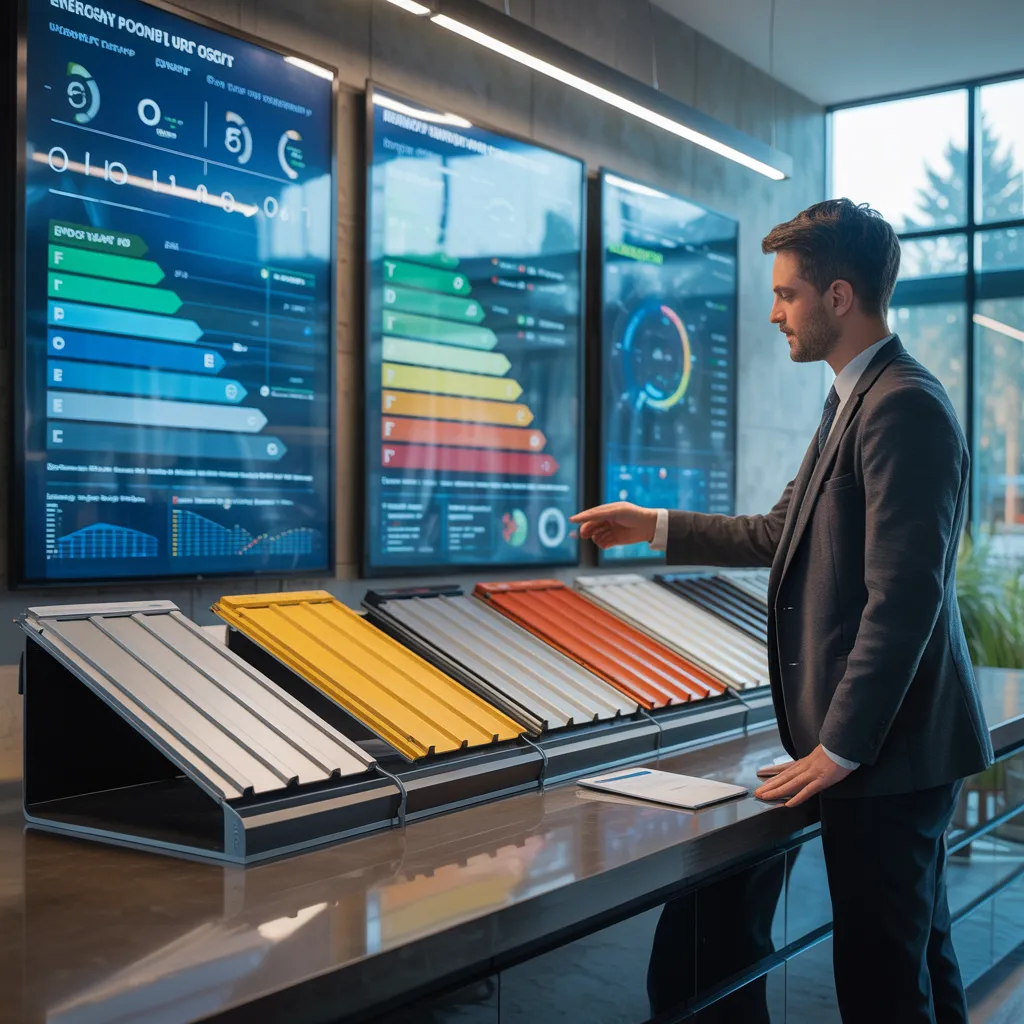
Understanding Metal Roof Coating
Even though metal roofs are known for their durability, understanding metal roof coating is critical for increasing their longevity and performance. Metal roof coatings work as protective barriers against environmental elements such as UV rays, moisture, and temperature fluctuations. These coatings come in various types, including acrylic, silicone, and polyurethane, each designed for specific climates and conditions. Professional application of these coatings can prevent rust, corrosion, and deterioration, ultimately extending the roof's lifespan. In addition, regular maintenance of the coating delivers maximum protection, reducing the need for costly repairs. By identifying the suitable coating and maintaining it over time, property owners can protect their investment in metal roofing, ensuring it remains in excellent condition for years to come.
Metal Roof Coating: Benefits for Energy Efficiency
Metal roof coatings deliver considerable energy efficiency advantages through their reflective surface technology, which reduces heat absorption. This technology helps in regulating building temperatures, resulting in a more comfortable indoor environment. Additionally, the long-term energy savings linked to lower cooling costs can make metal roof coatings a sound investment for property owners.
Mirror-Like Surface Technology
Energy efficiency stands out as a notable strength of reflective surface technology in metal roof coatings. This technology employs specific materials that reflect solar radiation, reducing heat absorption by the building. As a result, structures with reflective metal roofs can achieve lower energy consumption for cooling, resulting in reduced utility bills. The coatings often are available in diverse colors and finishes, facilitating customization while maintaining their reflective properties. Additionally, by limiting heat buildup, reflective surfaces can help ensure a longer lifespan for roofing materials, as they are less subject to thermal stress and damage. Overall, the integration of reflective surface technology in metal roof coatings offers extensive benefits for energy efficiency and long-term cost savings.
Temperature Management Benefits
How do metal roof coatings' temperature management benefits boost overall building functionality? Metal roof coatings are engineered to enhance thermal efficiency through solar radiation reflection, thereby decreasing heat absorption. This reflective quality supports maintaining a more steady indoor temperature, lessening the demand for intensive air conditioning during hot periods. Moreover, the coatings can additionally help decrease heat loss during colder seasons, encouraging energy efficiency throughout the year. By mitigating temperature fluctuations, these coatings help create a more comfortable environment for occupants, which can lead to increased productivity. Additionally, consistent temperature regulation can alleviate stress on HVAC systems, leading to lower maintenance needs and prolonging the lifespan of heating and cooling equipment, ultimately supporting better building performance.
Long-Term Energy Cost Reductions
Though many building proprietors desire immediate financial reductions, the prolonged energy savings connected to metal roof coatings provide noteworthy financial benefits. These coatings boost the energy efficiency of metal roofs by redirecting solar radiation, which can considerably reduce cooling costs during hot months. As a result, building owners may enjoy lower energy bills over time, bringing about significant savings. Additionally, the durability of metal roof coatings lessens the need for frequent maintenance or replacements, further adding to cost-efficiency. By investing in these coatings, property owners can guarantee optimal thermal performance, extending the lifespan of their roofs while reaping ongoing savings. Finally, the strategic application of metal roof coatings constitutes a prudent financial decision for sustained energy efficiency.
The Way Reflective Coatings Work
Reflective coatings work by using specific pigments and materials that improve their capability to reflect sunlight. These coatings usually contain highly reflective compounds, which are designed to decrease heat absorption by reflecting solar radiation away from the surface. The application of these coatings converts the roof into a heat-reflective barrier, significantly reducing thermal loading on the building. Reflective coatings can be developed to satisfy various aesthetic preferences while preserving high performance. Moreover, they are often applied as a fluid that cures to create a durable, seamless layer. This layer not only improves energy efficiency but also supports the longevity of the roofing material by safeguarding it from UV degradation and environmental wear, thereby reducing maintenance requirements over time.
Influence on HVAC Energy Costs
The application of reflective coatings on metal roofs substantially affects heating and cooling costs. These coatings improve temperature regulation by bouncing back solar energy, consequently reducing the amount of heat absorbed by the building. As a result, property owners may experience decreased energy costs throughout the year.
Benefits of Reflective Coating
A key advantage of applying a reflective coating to metal roofs comes from its ability to reduce heating and cooling costs. Reflective coatings operate by reflecting solar radiation, thereby decreasing heat absorption during warm months. This assists in sustaining cooler indoor temperatures, lowering the need for air conditioning systems. Consequently, property owners typically experience lower energy costs. In colder months, these coatings can also aid in retaining heat, helping create a balanced indoor climate. Moreover, the longevity of the roof is increased, as check now reflective coatings can protect against UV damage, which can result in deterioration over time. All in all, the use of reflective coatings not only promotes energy efficiency but also provides extended financial benefits for property owners and commercial entities alike.
Temperature Control Effects
Managing heating and cooling costs for buildings with metal roofs relies heavily on temperature regulation. Metal roof coatings improve energy efficiency through solar energy reflection, helping to keep interior temperatures lower during warm seasons. This reflective property reduces the reliance on air conditioning, creating considerable savings on air conditioning bills. During winter periods, these coatings assist in heat retention, lowering heating bills. These coatings' insulating characteristics promote a more consistent interior environment, reducing temperature fluctuations. As a result, structures with metal roof coatings may see reduced energy expenses, creating better overall energy effectiveness. This dual benefit underscores the importance of temperature regulation in achieving cost-effective building management.
Increasing the Lifespan of Your Roof
Although several factors influence the longevity of a roof, installing a metal roof coating can substantially extend its lifespan. This safeguarding layer works as a barrier against challenging environmental forces, such as UV radiation, rain, and snow, which can lead to corrosion and deterioration over time. A quality coating can reflect sunlight, decreasing thermal stress that often causes metal roofs to expand and contract, in the end stopping cracks and leaks. Furthermore, it can seal minor imperfections and gaps, further preserving the underlying materials. By mitigating wear and tear, a metal roof coating not only increases the roof's life but also maintains its structural integrity, making certain homeowners receive the advantages of a long-lasting and resilient roofing solution for years to come.
Decreasing Repair and Maintenance Needs
Notable reductions in maintenance and repair demands can be attained through the application of a metal roof coating. This protective layer strengthens the roof's ability to withstand harsh weather conditions, such as heavy rain, hail, and extreme temperatures, therefore minimizing damage over time. The coating also creates a barrier against rust and corrosion, which are common problems with metal roofs. By sealing small cracks and gaps, it prevents water infiltration that could lead to more serious structural issues. Additionally, metal roof coatings are often reflective, reducing the accumulation of debris and dirt, which means less frequent cleaning and maintenance. Overall, a well-applied metal roof coating contributes to decreased repair frequency, saving both time and money for property owners.
Ecological Advantages of Metal Roof Coating
While many may focus on the aesthetic and durability aspects of metal roof coatings, their environmental benefits are equally significant. These coatings increase energy efficiency by reflecting solar radiation, which lowers heat absorption and lowers cooling costs. This not only minimizes energy consumption but also reduces greenhouse gas emissions connected to electricity generation. Additionally, metal roof coatings are often manufactured from recyclable materials, fostering sustainability and reducing landfill waste. Their longevity lessens the need for frequent replacements, thus conserving resources. Additionally, some coatings contain reflective pigments that contribute to cooler urban environments, combating the urban heat island effect. All in all, metal roof coatings offer a wide range of environmental advantages, making them a responsible choice for eco-conscious consumers.
Questions & Answers
How Often Should Metal Roof Coating Be Reapplied?
Metal roof coating usually requires reapplication every five to ten years, depending on factors such as climate, UV ray exposure and UV rays, and the particular product used. Periodic inspections can assess the requirement for reapplication.
Can I Handle Metal Roof Coating Application Myself?
Yes, individuals can apply metal roof coating themselves, provided they have the necessary tools, materials, and experience. Nevertheless, hiring professional help can ensure a longer-lasting and more efficient application, reducing possible errors and subsequent repairs.
What Are the Prices for Metal Roof Coating?
Costs tied to metal roof coating generally range from $1 to $3 per square foot, according to materials and labor. Extra costs may include surface prep, repairs, and prospective warranty fees for certain coatings.
Is Metal Roof Coating Suitable for All Roof Types?
Metal roof coating is typically safe for different roof types, such as asphalt, tile, and metal. Nevertheless, compatibility may differ based on particular materials and conditions, requiring professional consultation to guarantee ideal application and performance.
How Does Weather Affect Metal Roof Coating Application?
Weather significantly affects metal roof coating application; temperature levels, moisture content, and rainfall can influence adherence and setting. Perfect circumstances usually include precipitation-free, pleasant weather, while severe heat or humidity can result in inferior performance and accelerated deterioration.